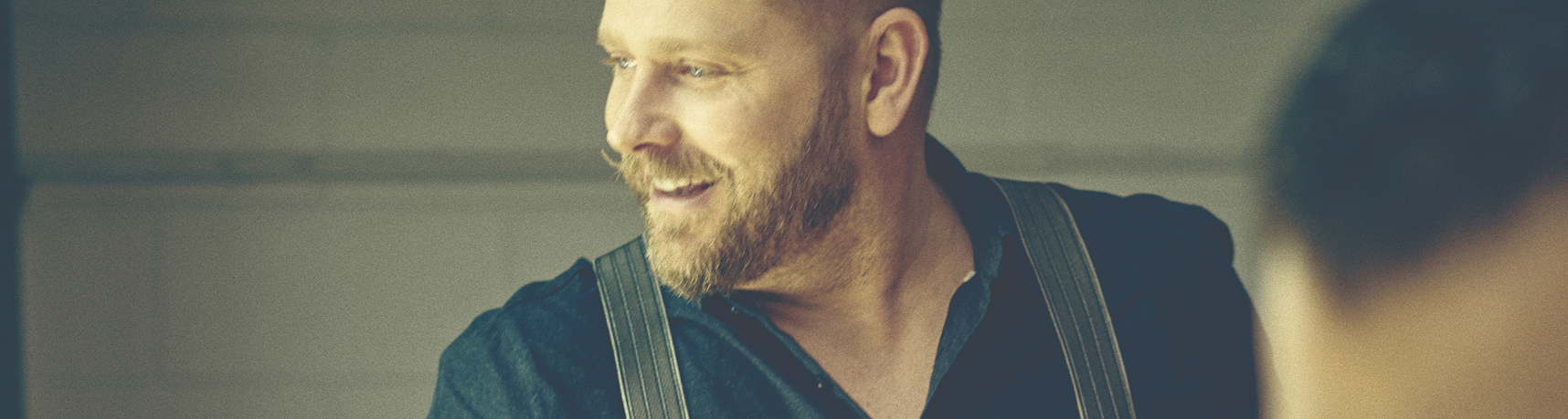
I’ve been barbering for over 35 years, and one thing I’ve learned is that hair trends always come full circle.
When I first started, every barber had to learn hairdressing. A Number 2 back and sides was considered short. Then hair got shorter. And shorter. And shorter. Skin fades, clipper work, bald fades – they’ve dominated men’s fashion for years.
But recently I’ve started noticing something.
I look back at old footage of Band Aid. All the biggest stars of the 1980s walk through that studio. The musicians, the rock stars, the icons of their generation. Not one of them has clippers up the sides and back. Their hair has movement, length and individuality.
And I believe we’re heading back in that direction.
I’m starting to see signs that men are ready for longer hair again. More texture. More shape. More styling. Less reliance on clippers.
At the same time, I think women’s hair is due for a revolution too.
For years we’ve seen long hair, balayage, grown-out roots and soft colour work dominate. It’s been hugely popular, but fashion never stands still. I believe we’re approaching a period where women will start embracing shorter, bolder and more expressive cuts once again.
The really interesting part, though, is what happens to our industry itself.
I genuinely believe we’re moving towards a future where we stop talking about men’s hair and women’s hair altogether.
Hair has no gender.
Instead of separate barbering and hairdressing menus, we’ll see businesses charging for time, skill and style. Clients won’t be booking a men’s cut or a ladies’ cut. They’ll be booking a haircut, a restyle, a crop, a bob, a mullet, a shag, a fade, or whatever look they want to achieve.
The price will be based on the time, expertise and service required.
When I tell people this, some look at me like I’m crazy.
But I remember people saying fifteen years ago that everyone would book appointments online instead of walking in and waiting. Back then, that sounded ridiculous too.
Today it’s normal.
As society becomes more fluid and individualistic, I think the old labels will start to disappear. Even the word “unisex” feels outdated now. A new language will emerge. New concepts. New salon and barbershop models.
Maybe they’ll be called studios. Labs. Chop shops. Who knows?
What I do know is that change is coming.
One day we’ll look back and wonder why we ever separated hair into men’s and women’s categories in the first place.
This is my prediction.
And I can’t wait to read this again in ten years’ time and find out whether I was right.